

How Automation Improves Workflow, Safety, and Patient Experience
Yokohama Hodogaya Eye Clinic in Japan introduced KettyBot from Pudu Robotics to support internal operations and reduce staff workload in a high-volume clinical environment.
The clinic specializes in cataract, vitreous, and glaucoma care, serving a diverse patient population.
The Challenge
As patient volume increased, staff faced:
- Rising workload from document handling and transport
- Increased physical strain from repetitive movement
- Less time available for patient-focused care
- Safety concerns in busy, high-traffic clinical spaces
This created a gap: More time spent on internal logistics — less time focused on patients.
The Solution
The clinic deployed KettyBot to support autonomous document and material delivery within the facility.
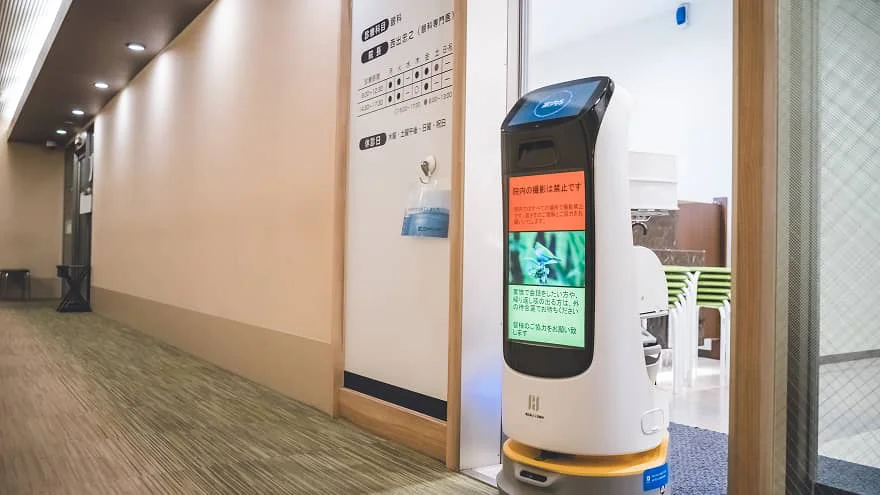
The robot:
- Navigates safely through tight, high-traffic environments
- Uses advanced obstacle avoidance to prevent collisions
- Transports documents and materials between departments
This shifted workflows from:
Manual document movement → automated, safe delivery
The Results
Increased Efficiency
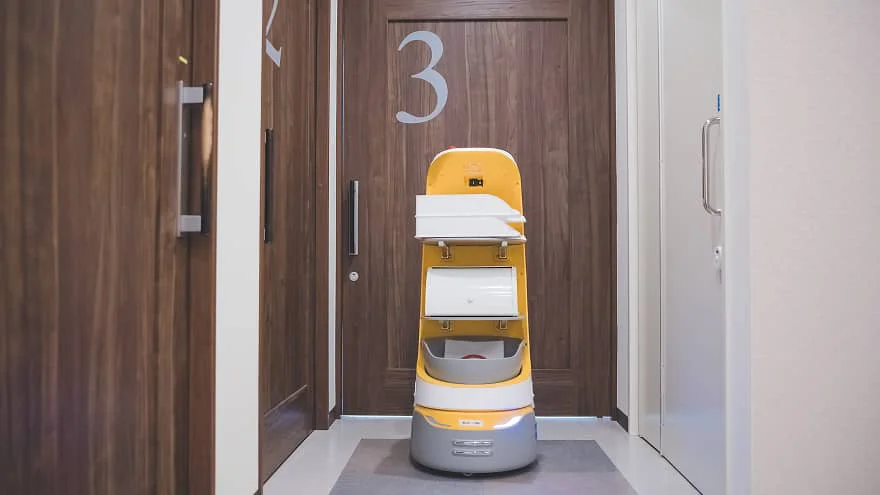 Faster, more consistent document delivery
- Reduced time spent on non-clinical tasks
Improved Staff Workflow
- Less physical strain from repetitive movement
- More time for clinical responsibilities
Enhanced Patient Safety
- Reliable navigation in crowded environments
- Zero collision incidents reported
Better Patient Experience
- Interactive, engaging presence in waiting areas
- Modern, innovation-forward perception of care
Why This Works
 Most automation fails due to poor adoption—not poor technology.
Success in clinical environments comes from:
- Aligning robots to real workflows
- Ensuring safe navigation in patient-facing spaces
- Supporting staff from day one
The Impact Robotics Approach
Impact Robotics focuses on managed automation:
- Start with a real-world use case
- Validate performance in your environment
- Scale what improves both operations and care
Not automation for the sake of technology — Automation that supports patient care.
Bottom Line
In clinical environments, safety and efficiency go hand in hand.
Robotics helps reduce the operational tasks that slow teams down—
while supporting a safer, more focused care environment.
As a Certified PUDU Robotics Distributor, Impact Robotics helps organizations implement automation that works in real environments—supporting staff, improving operations, and elevating the overall experience.