
Impact Robotics announces its official launch on April 2, 2026, the birthday of founder Don G. King.
Why? “Because labor shortages aren’t going away. So we built a model that works with them, not against them,” says King.

From manufacturing floors to distribution centers and service environments to schools, the same challenges keep showing up:
- Roles that are hard to fill
- High turnover in repetitive positions
- Increasing strain on existing teams
The reality is this: hiring alone isn’t solving the problem anymore.
That’s exactly why Impact Workforce Solutions launched Impact Robotics — to help organizations combine workforce automation with human talent to keep operations moving.
The Real Problem: Labor Shortages Are an Operations Problem
Most conversations around labor shortages focus on hiring. But inside organizations, the problem runs deeper:
- Bottlenecks slowing down production
- Teams stretched thin trying to cover gaps
- Managers spending more time reacting than optimizing
This isn’t just a staffing issue — it’s an operational challenge.
And solving it requires more than adding headcount.

The Shift: Workforce Automation + Human Talent
This is where workforce automation comes in—but not in the way most people think.
Automation isn’t about replacing people.
It’s about removing the work that people shouldn’t be doing in the first place.
Think:
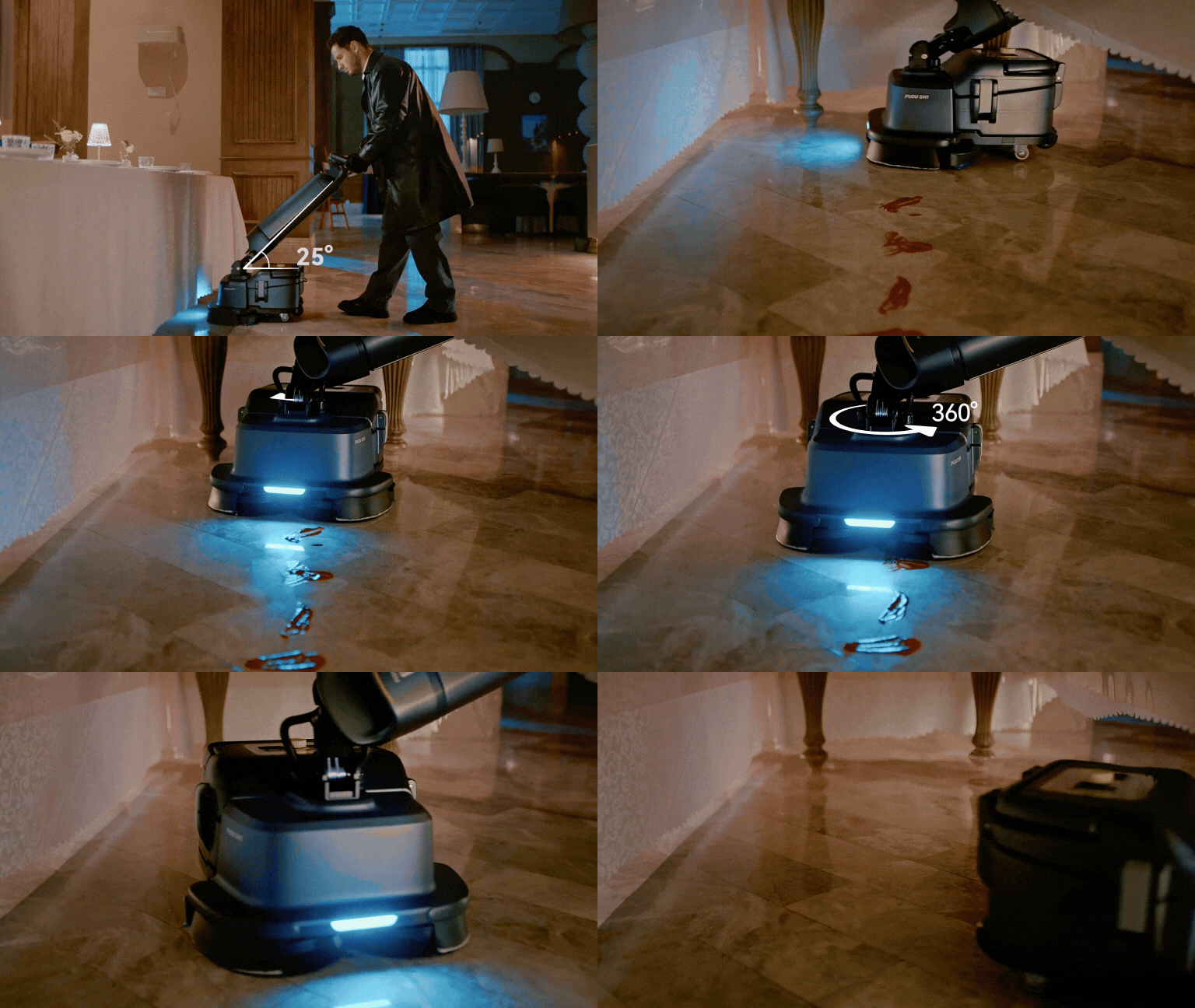
- Repetitive cleaning tasks
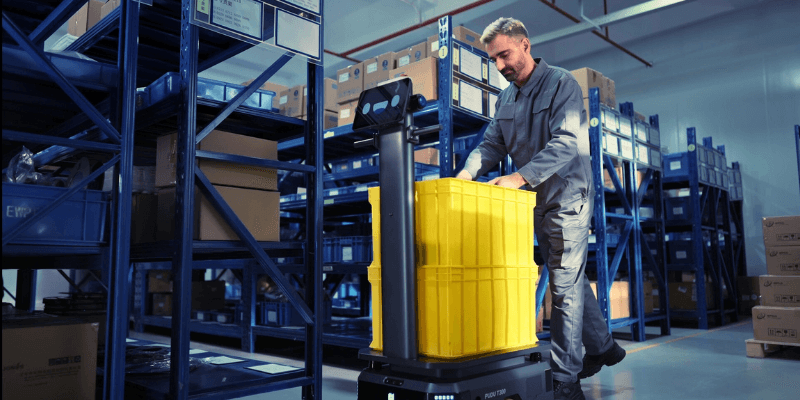
- Moving materials from point A to point B
- Roles with consistently high turnover
By automating these functions, organizations can:
- Stabilize operations
- Reduce hiring pressure
- Reallocate talent into higher-value roles
This is the model behind Impact Robotics—automation and human workforce working together, not separately.
Why Most Automation Fails (The “Automation Gap”)
Here’s what most companies don’t talk about: Automation doesn’t usually fail because of technology. It fails because of adoption.
Too often, companies:
- Buy robots without understanding workflows
- Try to automate everything at once
- Don’t account for how people will interact with the technology
The result? Low usage. Frustration. Wasted investment.
Impact Robotics was built specifically to close this gap.
A Smarter Way to Implement Automation
Instead of dropping technology into an operation and hoping it works, Impact Robotics follows a structured approach:
1. Start with a Pilot
Test automation in a real environment where it can prove value.
2. Validate What Works
Ensure teams adopt it, use it, and benefit from it.
3. Scale with Confidence
Expand automation only where results are proven. This approach reduces risk, improves adoption, and delivers measurable ROI.
How Automation Improves Quality of Life
At the center of this model is something most automation conversations miss: people.
When applied correctly, automation doesn’t take away jobs — it improves them.
- Removes dangerous or physically demanding tasks
- Creates new technical and operational roles
- Enables companies to reinvest in wages and benefits
- Gives people the opportunity to grow into higher-value work
If no one wants to do the job—and you can’t hire for it—automation creates a better path forward.
Why This Matters Now
We’re not waiting for the future of work. We’re already in it.
The organizations that win in this next phase won’t be the ones with the most technology — they’ll be the ones that know how to integrate it into real operations.
That means:
- Starting with the right use cases
- Aligning automation with workforce strategy
- Scaling what actually works
Where to Start
Most companies already know they need automation.
What they don’t know is:
- Where to begin
- What to automate first
- How to make it actually work inside their operation
That’s exactly where Impact Robotics comes in.
The Takeaway
Labor shortages aren’t going away. But the way we solve them is changing.
The future isn’t automation alone. And it’s not labor alone. It’s both — working together.
If you’re exploring workforce automation but aren’t sure where to start, begin with the question: What work are we struggling to hire for — and should we?
Because solving that question is where real operational change begins. Schedule an automation conversation with a solutions engineer.
Impact Robotics is a sister company of Impact Workforce Solutions and iBoost Talent.