

How Automation Improves Campus Operations, Cleaning, and Student Experience
The Challenge: Staffing Gaps + High-Demand Environments
Schools and universities operate in fast-moving, high-traffic environments—but face:
- Limited staff for repetitive tasks
- Increasing operational demands
- Pressure to modernize the student experience
- High expectations for cleanliness across large facilities
Most organizations don’t struggle to find automation.
They struggle to make robots in education actually work in real-world environments.
The Solution: Service Robots Integrated into Campus Workflows
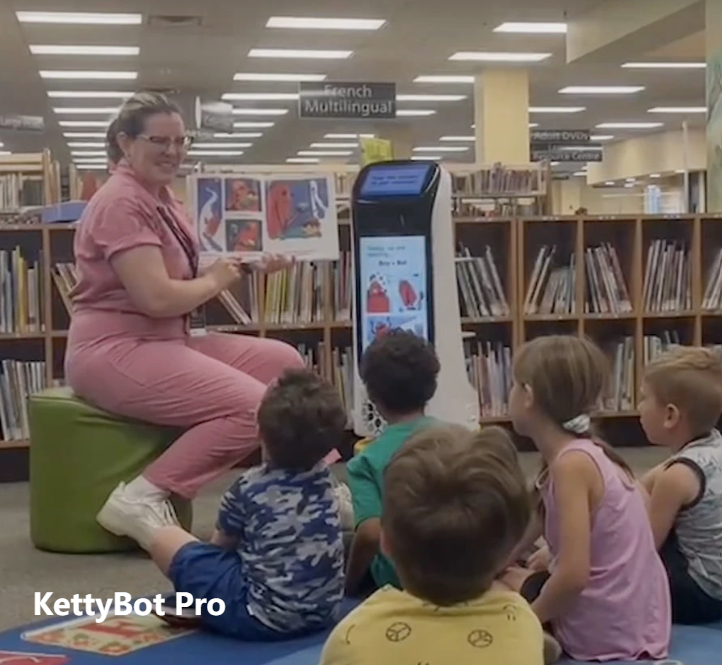
Educational institutions are deploying autonomous service robots in education—like BellaBot from Pudu Robotics—to support daily campus operations.
These robots use:
- AI-powered navigation (SLAM)
- Obstacle detection and real-time rerouting
- Interactive interfaces (voice, touch, visual)
Key Use Cases for Robots in Education
Campus Operations & Student Experience
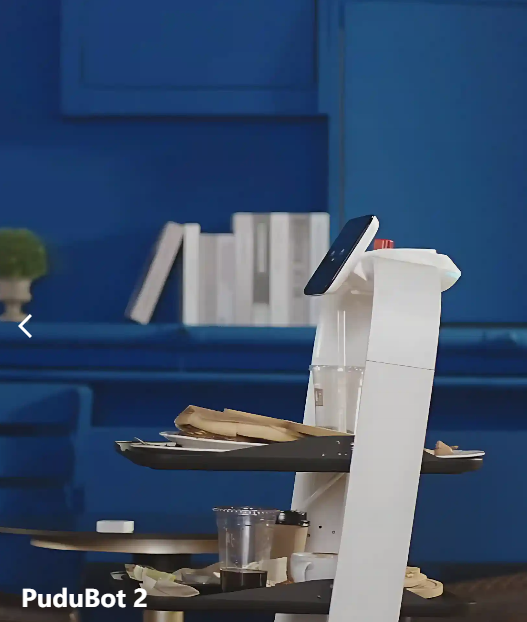
- Food delivery in school cafeterias
- Campus wayfinding and visitor guidance
- Transporting books, materials, and supplies
- Supporting events, campus tours, and admissions
Cleaning and Facility Automation
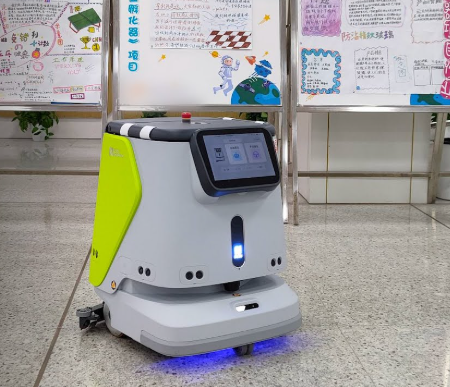
- Autonomous floor cleaning across high-traffic areas
- Sweeping, mopping, vacuuming, and dust control
- Continuous cleaning in hallways, cafeterias, and common spaces
- Real-time monitoring of cleaning performance and coverage
Cleaning robots — like PUDU CC1, PUDU MT1, and PUDU SH1 — help schools maintain high cleanliness standards without increasing labor strain.
The Results: Measurable Operational Impact
1. Increased Efficiency
- Reduces repetitive transport and cleaning tasks
- Improves consistency across campus operations
- Enables continuous, high-coverage cleaning
2. Better Use of Staff
- Frees teams for higher-value, student-facing work
- Reduces burnout in high-volume environments
- Supports teams facing labor shortages in both operations and cleaning
3. Enhanced Student Experience
- Cleaner, more consistent campus environments
- Interactive, engaging technology
- Modern, innovation-forward campus perception
Note: Most automation fails due to poor adoption — not poor technology.
Success with robotics in education comes from:
- Aligning robots to real campus workflows
- Training teams to actually use the technology
- Supporting adoption over time
The Impact Robotics Approach
Impact Robotics focuses on managed automation:
- Start with a real-world pilot
- Validate what works with your team
- Scale only proven solutions
Not robots for the sake of automation — Automation that actually works.
Bottom Line
The future of education isn’t just digital. It’s physical automation integrated into daily campus operations.
Schools don’t need more technology. They need robots in education that fit how work actually gets done.
As a Certified PUDU Robotics Distributor, Impact Robotics helps education and care organizations implement automation that supports both staff performance and overall experience.