

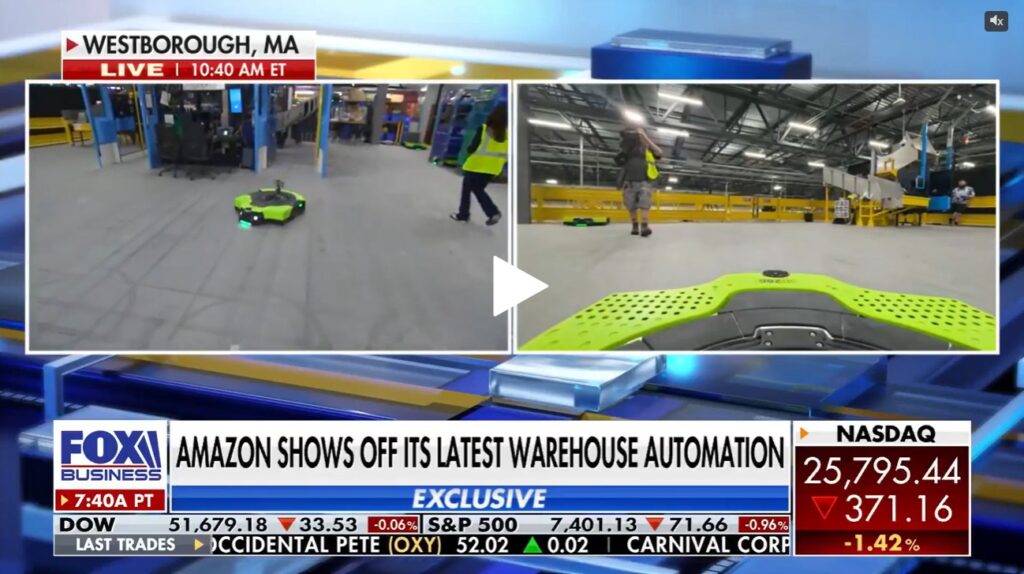
Amazon recently gave the world another glimpse into the future of warehouse operations with its autonomous robot. The company continues to invest heavily in automation, including a $1 billion commitment focused on robotics, AI, and employee upskilling initiatives. The message is clear: the future of work is arriving faster than many expected.
For large organizations like Amazon, billion-dollar investments in automation are possible. For small and mid-sized manufacturers, distributors, and warehouse operators, that level of spending simply isn’t realistic.
But here’s the reality: You may not be able to afford a billion-dollar automation initiative, but you also cannot afford to ignore automation altogether.
The Competitive Gap Is Growing
Amazon’s newest robots can autonomously move materials throughout fulfillment centers, collaborate safely alongside people, and even respond to natural language instructions from employees. Amazon is expanding robotics because automation improves productivity, reduces repetitive labor, and helps employees transition into higher-skilled roles.
Meanwhile, labor shortages continue to challenge manufacturers and distribution operations across the country. Companies are struggling to:
- Fill open positions.
- Retain employees.
- Control overtime costs.
- Meet increasing customer expectations.
- Improve throughput without adding headcount.
The organizations that successfully blend people and automation will gain a significant competitive advantage.
Automation Is No Longer Reserved for the Fortune 500
For years, advanced robotics seemed out of reach for independent manufacturers and regional distribution centers. Complex implementations, large capital requirements, and specialized engineering teams created barriers to entry.
That is changing.
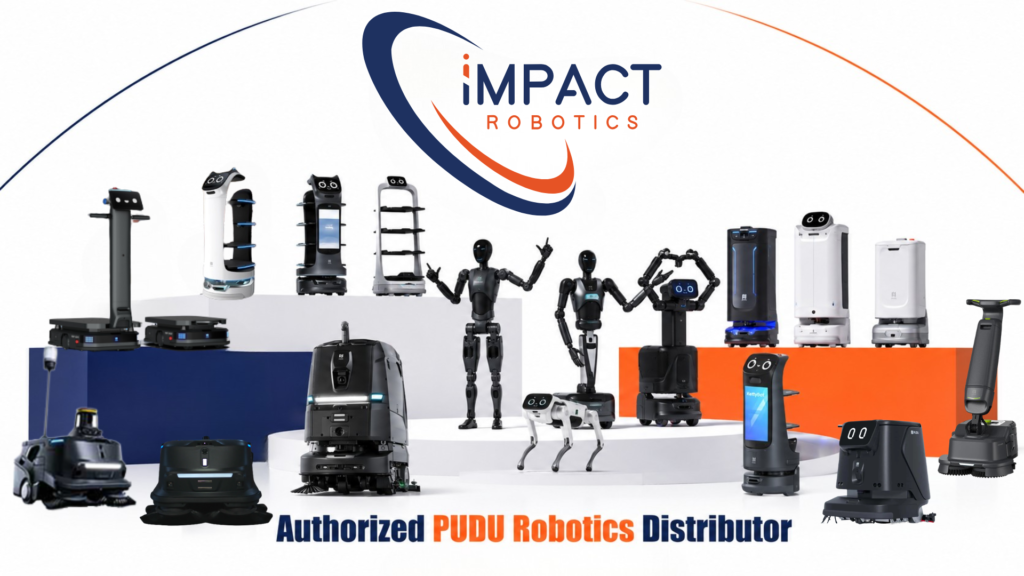
At Impact Robotics, we believe automation should be accessible to organizations of every size. Today’s autonomous mobile robots (AMRs), cleaning robots, and material movement solutions can often be deployed quickly, require minimal facility modifications, and deliver measurable ROI without massive capital expenditures.
You don’t need Amazon’s budget. You need the right automation strategy.
Start Small. Think Big.
The most successful automation journeys rarely begin with a complete facility transformation. Instead, organizations start by identifying repetitive, low-value tasks that consume valuable labor hours.
Examples include:
- Moving materials across large facilities.
- Transporting carts and supplies.
- Performing routine floor cleaning.
- Delivering products between departments.
- Supporting warehouse and logistics workflows.
By automating these repetitive tasks, employees can focus on higher-value activities that require problem-solving, customer interaction, and technical expertise.
That’s not replacing people. That’s improving quality of life while increasing operational performance.
The Future of Work Belongs to Organizations That Adapt
Amazon currently operates hundreds of thousands of robots throughout its network and continues expanding its automation capabilities because the economics make sense. Industry leaders understand that robotics is no longer optional, it’s becoming a business necessity.
The good news? Small and mid-sized businesses now have access to many of the same automation technologies previously available only to the world’s largest companies.
At Impact Robotics, we help organizations augment labor with automation — giving teams time back, improving productivity, and creating better workplaces.
Because the future of work isn’t about choosing between people and robots. It’s about empowering people with the right technology.
Ready to explore what automation could look like in your operation?
Request a conversation with Impact Robotics Solutions Engineer. We’re happy to schedule your on-site demonstration so you can discover how robotics can help your organization improve productivity and quality of life.