

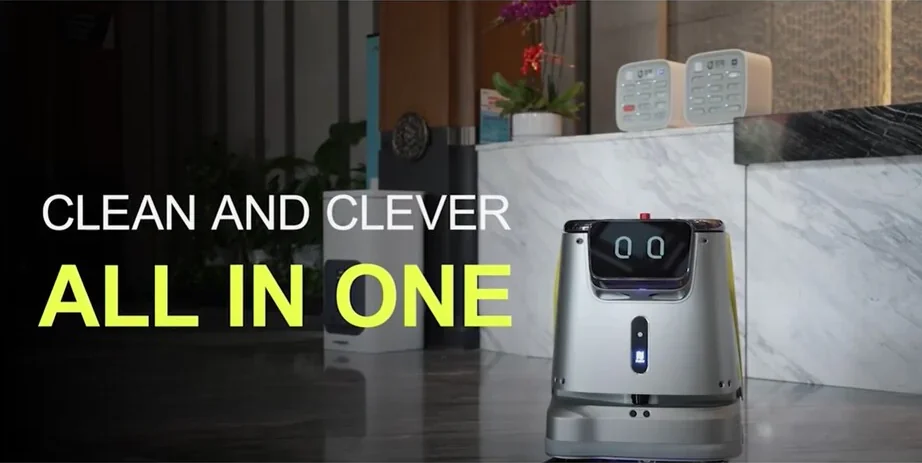
Walk into most operations today and you’ll see the same thing.
Work needs to get done. Teams are stretched. And there’s not a clean way to keep everything moving without adding pressure somewhere.
That’s where the conversation around robotics usually starts. Not as a big strategy.
Just as a practical question: What can we take off people’s plate so the operation actually holds up?
What’s Really Going On
Across industries — manufacturing, logistics, education, and especially commercial cleaning — the pattern is the same.
- Repetitive tasks take up most of the day
- Turnover creates constant gaps
- Output gets harder to maintain over time
And adding more people doesn’t always fix it.
Because the issue isn’t just how many people you have. It’s how the work is set up.
Where Robotics Starts to Make Sense
Most teams don’t need a full overhaul. They need relief in the right places.
That’s where robotics fits… Not everywhere. Not all at once.
Just in the parts of the operation that:
- eat up time
- don’t require decision-making
- fall behind when staffing is tight
In commercial cleaning, that usually means floors.
Large square footage. Repeatable routes. Same task, every day.
Perfect place to start.
What This Looks Like in the Real World
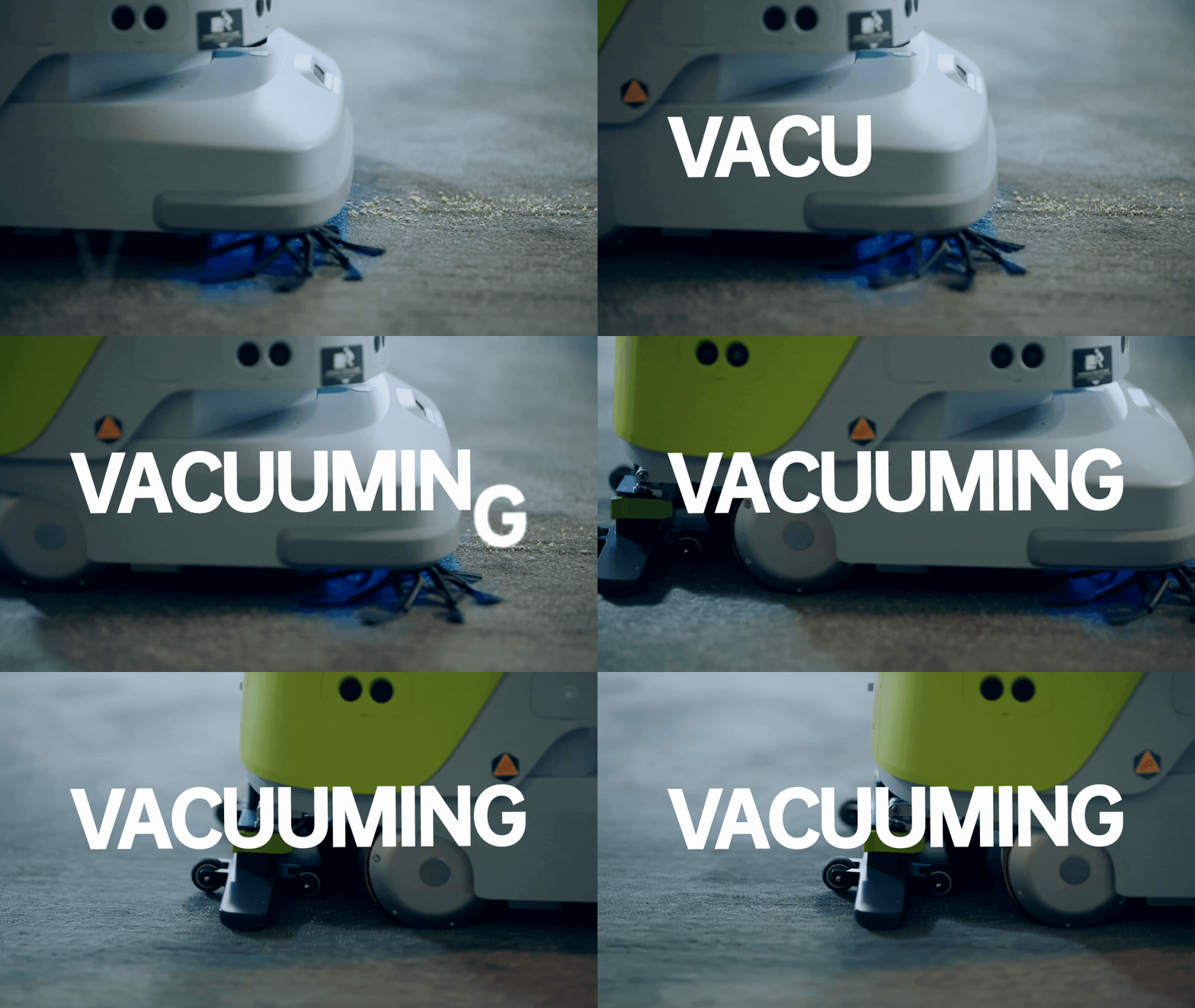
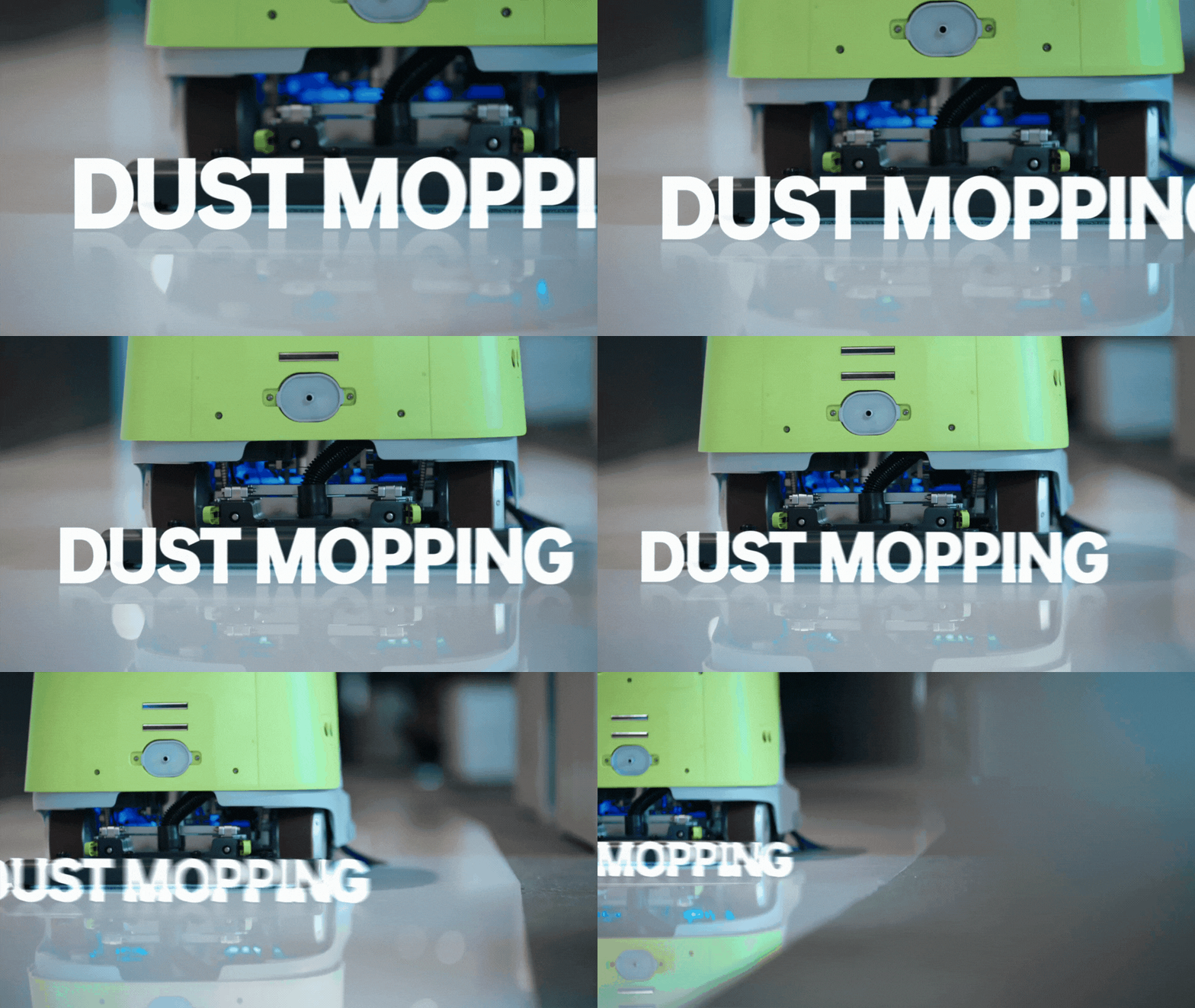
In commercial cleaning environments for example, robotics is already being used to handle routine floor care across large facilities.
Instead of relying fully on manual labor, the work is split:
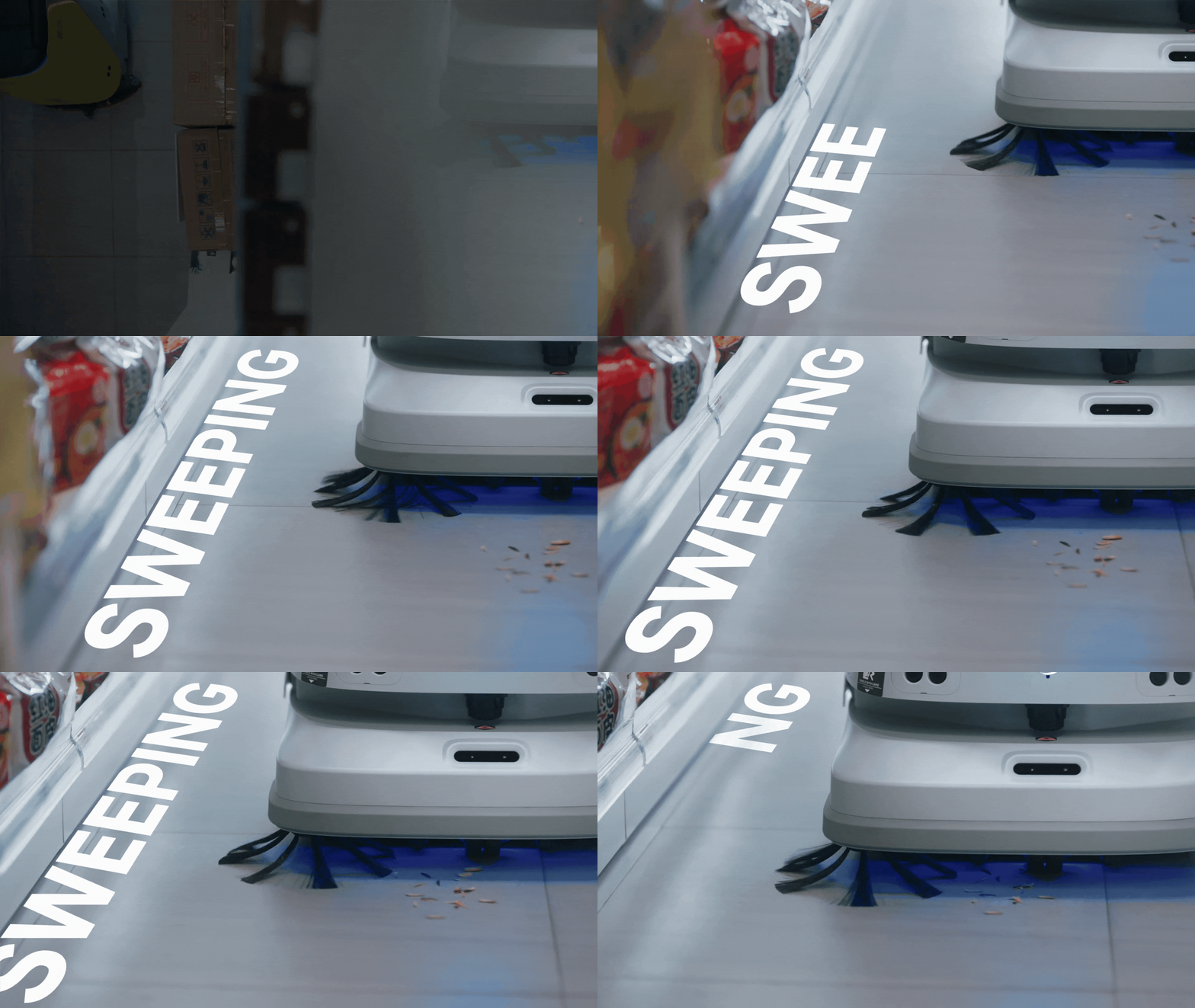 Robots handle consistent, repeatable cleaning paths
- Teams focus on detail work, touchpoints, and higher-value tasks
We’ve seen this in:
- large retail environments
- distribution and warehouse facilities
- high-traffic public spaces
The impact is straightforward:
- floors get cleaned more consistently
- teams aren’t stretched as thin
- operations don’t fall behind when staffing fluctuates
It’s not a full replacement. It’s a better way to divide the work.
👉 See examples: https://iwsrobotics.com/case-studies/
What Makes It Work (and What Doesn’t)
Putting robotics into a broken process doesn’t fix it.
 It usually exposes the problem faster.
Where it works is when:
- the workflow is clear
- the task is defined
- the role of the robot is specific
In commercial cleaning, that means:
- mapped cleaning routes
- defined coverage areas
- clear expectations for what the robot handles vs. the team
Then it works.
Start Small. Then Build
 The teams getting this right aren’t rolling things out everywhere at once.
They start with:
- one building
- one cleaning zone
- one repeatable task
They test it. See what changes. Then expand.
That’s how you get buy-in from the team. That’s how you avoid disruption.
Why This Matters Now
 The market isn’t resetting.
Work is still there. Labor is still tight. And the pressure on operations hasn’t eased.
In commercial cleaning, that pressure shows up fast. Miss a day, and it’s visible.
Fall behind, and it compounds.
That’s why more teams are looking at robotics — not as a replacement, but as support.
The Takeaway
This isn’t about replacing people. It’s about making the operation work better for the people you already have.
When you take the right tasks off the plate:
- teams stay focused
- output stays consistent
- the operation holds up
That’s where people and robotics actually come together.